
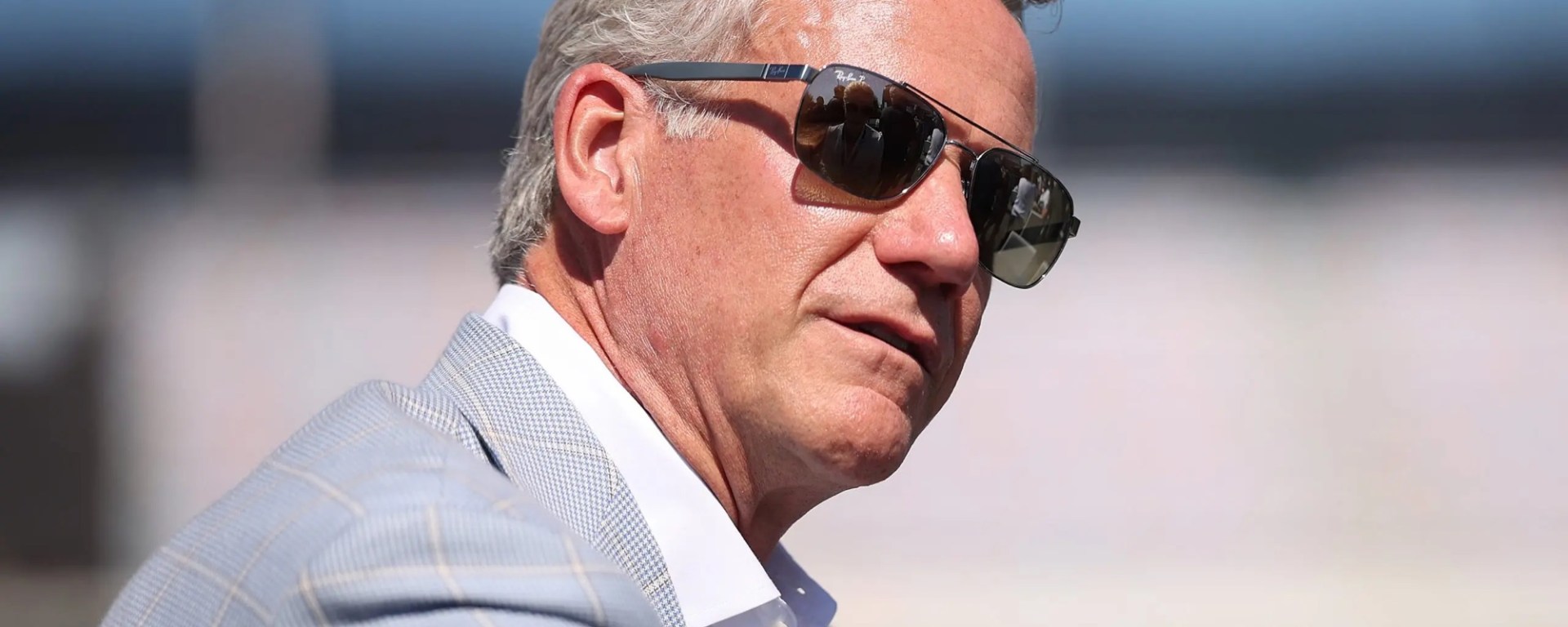
Steve Phelps has resigned from his role as NASCAR Commissioner, bringing an end to a 20-year tenure with the sanctioning body that was marked by innovation, growth, and ultimately, controversy. NASCAR announced Tuesday morning that Phelps’ departure was his decision and that he will officially leave the organization at the end of January.
Phelps became NASCAR’s first-ever commissioner in 2025 after serving as president from 2018 through 2025. The commissioner role allowed him to focus on the long-term vision and trajectory of the sport, while day-to-day operations remained under the leadership of NASCAR President Steve O’Donnell. O’Donnell will continue in that role, and NASCAR announced no additional leadership changes.
During his two decades with the sport, Phelps was widely credited with helping guide NASCAR into the modern media era. He played a central role in negotiating the sport’s 2025–31 media rights deal and was instrumental in expanding NASCAR’s reach through new events, including the Clash at the Los Angeles Memorial Coliseum and NASCAR’s first-ever street race in downtown Chicago.
Phelps also helped steer NASCAR through one of the most challenging periods in its history: the COVID-19 pandemic. Under his leadership, NASCAR became one of the first major professional sports leagues to return to competition, ultimately completing a full 38-race season in 2020.
“As a lifelong race fan, it gives me immense pride to have served as NASCAR’s first Commissioner and to lead our great sport through so many incredible challenges, opportunities and firsts over my 20 years,” Phelps said in a statement. “Our sport is built on the passion of our fans, the dedication of our teams and partners and the commitment of our wonderful employees.”
NASCAR Chairman Jim France praised Phelps’ impact on the organization and the sport at large.
“Steve will forever be remembered as one of NASCAR’s most impactful leaders,” France said. “For decades he has worked tirelessly to thrill fans, support teams and execute a vision for the sport that has treated us all to some of the greatest moments in our nearly 80-year history.”
Despite those accomplishments, Phelps’ tenure came to a turbulent close following the exposure of personal text messages during an antitrust lawsuit filed by 23XI Racing and Front Row Motorsports against NASCAR. The lawsuit concluded with a settlement after eight days of trial testimony, but not before Phelps’ private communications became public record.
The texts revealed sharp criticism of NASCAR drivers, team owners, and even leadership within the France family. Among the most damaging messages were those directed at legendary team owner Richard Childress, following a SiriusXM interview in which Childress questioned who would benefit from a new media rights deal.
“Childress needs to be taken out back and flogged. He’s a stupid redneck who owes his entire fortune to NASCAR,” Phelps wrote in one text. In another, he referred to Childress as “a dinosaur” and “a total ass-clown.” Childress has since threatened legal action over the remarks.
Other texts included Phelps’ frustration with Cup drivers and owners participating in the SRX Series, calling it a “trash series,” and his criticism of charter negotiations, where he referred to one proposal from Jim France as “insanity” while attempting to push for team-friendly provisions.
France publicly stood by Phelps despite the fallout from the messages, but the revelations created significant backlash among fans and stakeholders, casting a shadow over Phelps’ legacy and making his continued leadership increasingly difficult.
Ironically, Phelps was long viewed within the industry as a key figure attempting to prevent the very litigation that defined the final 15 months of his career. He was regarded as someone who worked extensively to broker a charter agreement that balanced the interests of teams and NASCAR.
Born in Vermont and a lifelong race fan, Phelps previously worked in the NFL and was briefly considered for the PGA commissioner role before withdrawing his name. As he prepares to move on, Phelps expressed gratitude for his time in the sport.
“As I embark on new pursuits in sports and other industries, I want to thank the many colleagues, friends, and especially the fans that have played such an important and motivational role in my career,” Phelps said. “Words cannot fully convey the deep appreciation I have for this life-changing experience.”
Phelps leaves NASCAR with a legacy that includes transformative growth, bold experimentation, and unprecedented challenges—both navigated and endured—cementing his place as one of the most consequential and controversial leaders in the sport’s modern era.

 Full Throttle Media