
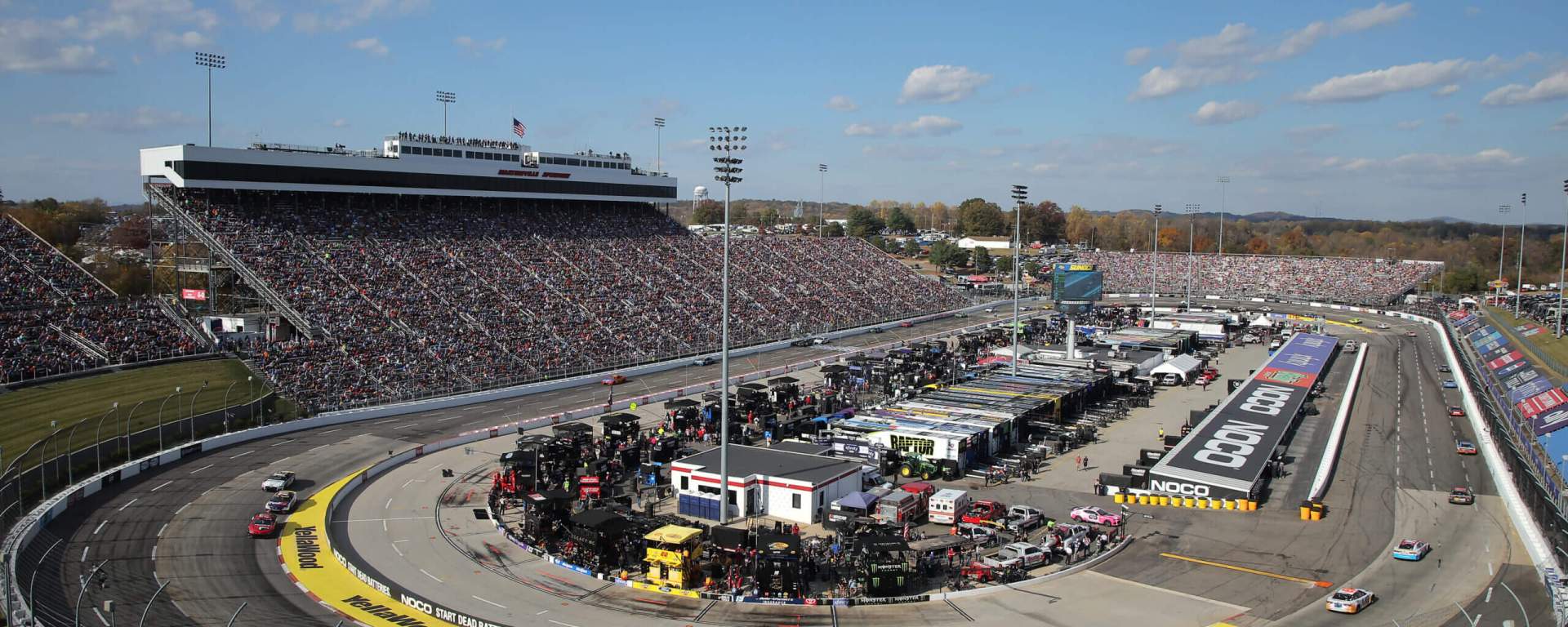
NASCAR is synonymous with thrilling high-speed chases, daring overtakes, and nail-biting finishes. The tracks themselves play a pivotal role in shaping these unforgettable moments. Each track on the NASCAR circuit offers unique characteristics that challenge drivers and entertain fans. Here, we spotlight some of the most iconic NASCAR tracks, delving into their distinctive features and the memorable races that have cemented their place in racing history.
Daytona International Speedway
Location: Daytona Beach, Florida
Opened: 1959
Length: 2.5 miles (4.0 km)
Configuration: Tri-oval
Unique Characteristics:
Daytona International Speedway is perhaps the most iconic NASCAR track, home to the prestigious Daytona 500. Its high-banked turns and long straightaways make for incredibly fast and intense racing. The tri-oval design allows for continuous high speeds, leading to the phenomenon of pack racing, where drivers race closely together in large groups.
Memorable Race:
The 1979 Daytona 500 is etched in NASCAR lore not just for the racing but for its dramatic finish. Donnie Allison and Cale Yarborough were battling for the lead on the final lap when they collided, allowing Richard Petty to steal the win. The ensuing fistfight between Allison, Yarborough, and Bobby Allison in the infield was broadcast live, bringing NASCAR into the national spotlight.
Talladega Superspeedway
Location: Talladega, Alabama
Opened: 1969
Length: 2.66 miles (4.28 km)
Configuration: Tri-oval
Unique Characteristics:
Talladega Superspeedway is the longest oval track in NASCAR, known for its steep banking and wide racing surface. It’s famous for producing some of the highest speeds in NASCAR, often resulting in large multi-car wrecks known as “The Big One.”
Memorable Race:
The 2000 Winston 500 saw Dale Earnhardt Sr. make a remarkable comeback, charging from 18th to first place in the final laps to secure his 76th and final career victory. This race exemplified the unpredictability and excitement that Talladega is known for.
Bristol Motor Speedway
Location: Bristol, Tennessee
Opened: 1961
Length: 0.533 miles (0.858 km)
Configuration: Oval
Unique Characteristics:
Bristol Motor Speedway, often referred to as “The Last Great Colosseum,” is a short track known for its steep banking, concrete surface, and stadium-like seating that brings fans close to the action. The tight confines and high speeds lead to frequent contact between cars, making it a favorite for fans who love intense, door-to-door racing.
Memorable Race:
The 1999 Food City 500 featured an epic battle between Terry Labonte and Dale Earnhardt. Labonte took the lead on the final lap, only to be spun by Earnhardt coming to the finish line. Labonte crossed the line first but crashed heavily, with Earnhardt unapologetically taking second. The race epitomized the rough-and-tumble nature of Bristol.
Indianapolis Motor Speedway
Location: Speedway, Indiana
Opened: 1909
Length: 2.5 miles (4.0 km)
Configuration: Oval
Unique Characteristics:
Indianapolis Motor Speedway, known as “The Brickyard,” is one of the oldest and most revered tracks in motorsports. The track’s flat turns and long straights demand precision and skill, making it a unique challenge for NASCAR drivers accustomed to high-banked ovals.
Memorable Race:
The inaugural Brickyard 400 in 1994 was a historic event, marking NASCAR’s first race at the famed speedway. Jeff Gordon, then a rising star, won the race, cementing his status as a future legend and igniting a love affair between NASCAR and the iconic track.
Martinsville Speedway
Location: Ridgeway, Virginia
Opened: 1947
Length: 0.526 miles (0.847 km)
Configuration: Oval
Unique Characteristics:
Martinsville Speedway is the shortest track on the NASCAR circuit, known for its unique paperclip shape and flat turns. The tight, narrow track often leads to bumping and banging, requiring a mix of patience and aggression from drivers.
Memorable Race:
The 2007 Goody’s Cool Orange 500 saw a thrilling finish as Jimmie Johnson and Jeff Gordon, teammates and fierce competitors, battled side-by-side for the win. Johnson edged out Gordon in a race that showcased the close, hard-fought competition that defines Martinsville.
NASCAR tracks are more than just venues; they are arenas where legends are made, and history is written. Each track’s unique characteristics contribute to the diverse and dynamic nature of NASCAR racing. Whether it’s the high speeds of Daytona and Talladega, the short-track battles of Bristol and Martinsville, or the historic prestige of Indianapolis, these tracks offer a variety of challenges and thrilling experiences for drivers and fans alike.
Image: Jeff Gluck/The Athletic

 Full Throttle Media