
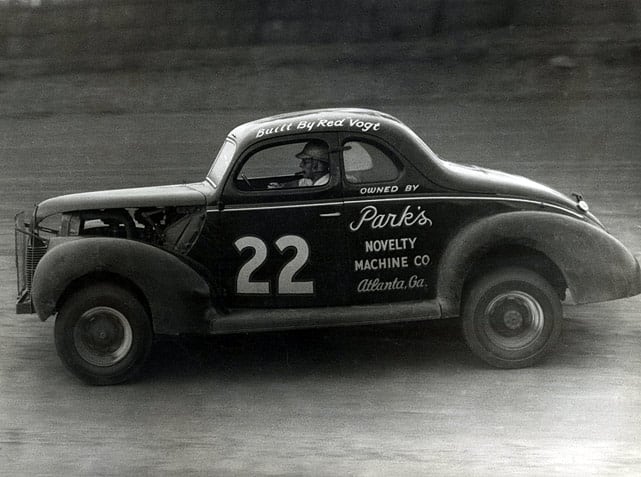
Since its inception in 1948, the National Association for Stock Car Auto Racing (NASCAR) has grown from a small, regional racing organization into a major national and international sport. Its evolution over the decades reflects broader changes in American society, technology, and the commercial landscape of sports.
The Early Years (1948-1960s)
NASCAR was founded by Bill France Sr. in Daytona Beach, Florida, a city with deep racing roots. The early races featured stock cars, which were essentially street-legal vehicles modified for racing. These races were characterized by their rough-and-tumble nature, with drivers often being local mechanics and moonshiners who had honed their driving skills evading law enforcement.
The first official NASCAR race was held at Daytona Beach in 1948. By the 1950s, NASCAR races were being held at tracks across the southeastern United States. The 1959 opening of the Daytona International Speedway marked a significant milestone, offering a state-of-the-art facility that could accommodate large crowds and high speeds.
The Golden Era (1970s-1980s)
The 1970s and 1980s are often considered NASCAR’s golden era. This period saw the rise of legendary drivers like Richard Petty, Dale Earnhardt, and Cale Yarborough, whose fierce rivalries captivated fans. The introduction of the Winston Cup Series in 1971, sponsored by R.J. Reynolds Tobacco Company, provided a substantial financial boost and greater media exposure.
Technological advancements began to play a larger role, with more sophisticated car designs and safety features being developed. The increased professionalism of the sport attracted major sponsorships and larger television audiences. The 1979 Daytona 500, broadcast live on CBS, was a pivotal moment, bringing NASCAR into the living rooms of millions of Americans and cementing its status as a major sport.
Modernization and Expansion (1990s-2000s)
The 1990s and 2000s were marked by NASCAR’s efforts to modernize and expand its appeal beyond its traditional southern base. Under the leadership of Bill France Jr., the sport embarked on a national expansion, adding tracks in new markets like Texas, California, and Las Vegas. This era also saw the construction of modern facilities and the introduction of advanced technologies in car design and track safety.
NASCAR’s appeal was further broadened through strategic partnerships with major corporations, a polished television product, and the charismatic presence of drivers like Jeff Gordon and Tony Stewart. The tragic death of Dale Earnhardt in the 2001 Daytona 500 led to a renewed focus on safety, resulting in the implementation of the HANS device, SAFER barriers, and other innovations that have significantly improved driver protection.
The Digital Age and New Challenges (2010s-Present)
In recent years, NASCAR has faced new challenges and opportunities in the digital age. Declining television ratings and attendance have prompted efforts to innovate and engage with a younger, more diverse audience. Initiatives such as the NASCAR Drive for Diversity program aim to promote inclusion within the sport.
Technological advancements continue to shape the sport, with enhanced data analytics, performance monitoring, and fan engagement through social media and digital platforms. The introduction of the Next Gen car in 2022 aims to standardize parts, reduce costs, and enhance competition.
NASCAR has also navigated significant cultural shifts, such as the removal of Confederate flags from events and increased support for social justice initiatives. These changes reflect a broader societal move toward greater awareness and inclusivity.
NASCAR’s evolution over the decades is a testament to its resilience and adaptability. From its rough-and-tumble beginnings on the beaches of Daytona to its current status as a technologically advanced, nationally beloved sport, NASCAR has continually reinvented itself to stay relevant in a changing world. As it looks to the future, NASCAR’s ability to balance tradition with innovation will be key to its continued success.
Image: Racing Photo Archives/Getty Images

 Full Throttle Media